
Quick answer
ADHD involves lasting difficulties with attention, impulse control or activity level that interfere with everyday life across settings. Autism involves differences in social communication and interaction, alongside restricted or repetitive patterns of behaviour or interests. These can include a strong need for routine or differences in responses to sound. A child can have both.
What happened in the classroom?
A teacher says your child leaves the group during a game. Did they miss the second part of an instruction? Was it harder to hear a friend as the bell rang? Did the rules change just before they walked away? Ask what the teacher noticed in the minutes before and afterwards.
The teacher might try giving one instruction at a time or signalling whose turn comes next. A change that helps your child join in is worth remembering. Their response alone can’t distinguish autism from ADHD.
Give an example from home
“He doesn’t listen” can mean many things. Compare it with “While the mixer was running, he didn’t answer my question. A minute later he brought me his cup.” That detail helps the clinician ask about noise, attention, hearing and how your child communicates.
Can a child who has one diagnosis be assessed for the other?
Yes. If a child with ADHD continues to struggle with conversation, friendships or changes to routines, bring it up. An autistic child can also have persistent difficulty with attention or impulsivity across home and school. A clinician can assess whether a second diagnosis would explain part of the child’s experience.
What should we take to an appointment?
Write down what you first noticed, when it started and which daily activities are hard now. Ask a teacher for one example and include your child’s view if they can share it. Tell the paediatrician where things go well, too.
The assessment may cover development, play, language, sleep and hearing. Clinicians use family and school observations alongside an interview, observation of the child and any specialist assessments needed. If your child loses words or gestures they previously used, contact a paediatrician promptly.
What can we try while waiting?
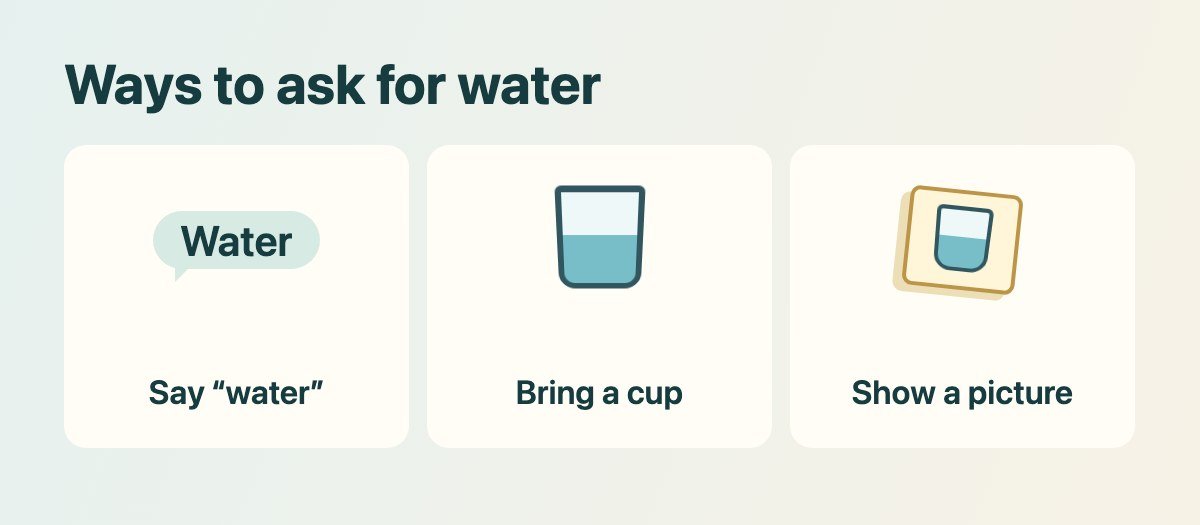
Choose one daily task. If packing a school bag is difficult, first ask your child to put in the water bottle. Try a picture of the two things that come next. Notice which steps your child can manage and ask the teacher whether a similar prompt helps at school.
Related Pages
Read related consultation guides and health information.