

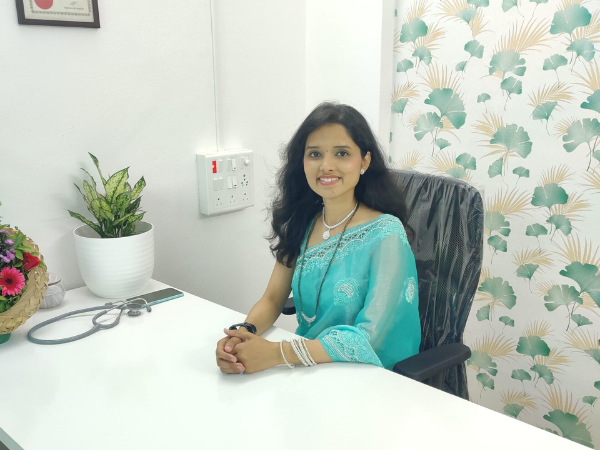
Yes, Dr. Akshata can support children with ADHD-related concerns such as poor focus, hyperactivity, impulsivity, anger, sleep disturbance, anxiety, school difficulty, low confidence and routine problems. ADHD needs proper assessment when symptoms affect learning, behaviour or relationships, and supportive care works best with parent guidance, school feedback and specialist care when needed.
Is this ADHD consultation right for my child?
This page is for parents who want a careful consultation for focus, restlessness, impulse control, sleep, school routine and emotional regulation.
- A good fit if
- Your child struggles with focus, restlessness, impulse control or emotional regulation and needs a parent-guided plan.
- Dr. Akshata will check
- School feedback, homework routine, sleep, screen timing, appetite, anger, fears, milestones and safety concerns.
- Bring to consultation
- Assessment reports if any, teacher notes, medicine list, sleep routine and parent observations.
Plan your consultation
- Clinic location
- Shop No. 2, Om Shanti Heights, Wagholi Road, Sant Nagar, Lohegaon, Pune 411047.
- Availability and fees
- Ask the clinic for the next available appointment, the consultation fee and any separate medicine or follow-up charges before confirming.
- In person or online
- Tell the clinic whether you want to visit or consult online. Ask whether your concern requires an in-person examination before choosing a slot.
What Parents Usually Want Help With
Parents often seek guidance when a child cannot sit for tasks, makes careless mistakes, forgets instructions, interrupts often, runs around excessively, becomes angry quickly or struggles with school routine.
Some children mainly show inattention. Others show hyperactivity, impulsivity, emotional outbursts, sleep problems, anxiety or learning stress. These patterns need careful review, not blame.
Dr. Akshata studies the child’s complete routine, temperament, sleep, food, screen use, school feedback, family stress and medical history before advising supportive care. Formal diagnosis, behavioural therapy, school accommodations or specialist treatment may still be needed.
ADHD Support Pattern Map
A useful consultation studies attention, activity, impulse control, sleep, school routine and emotional triggers together.
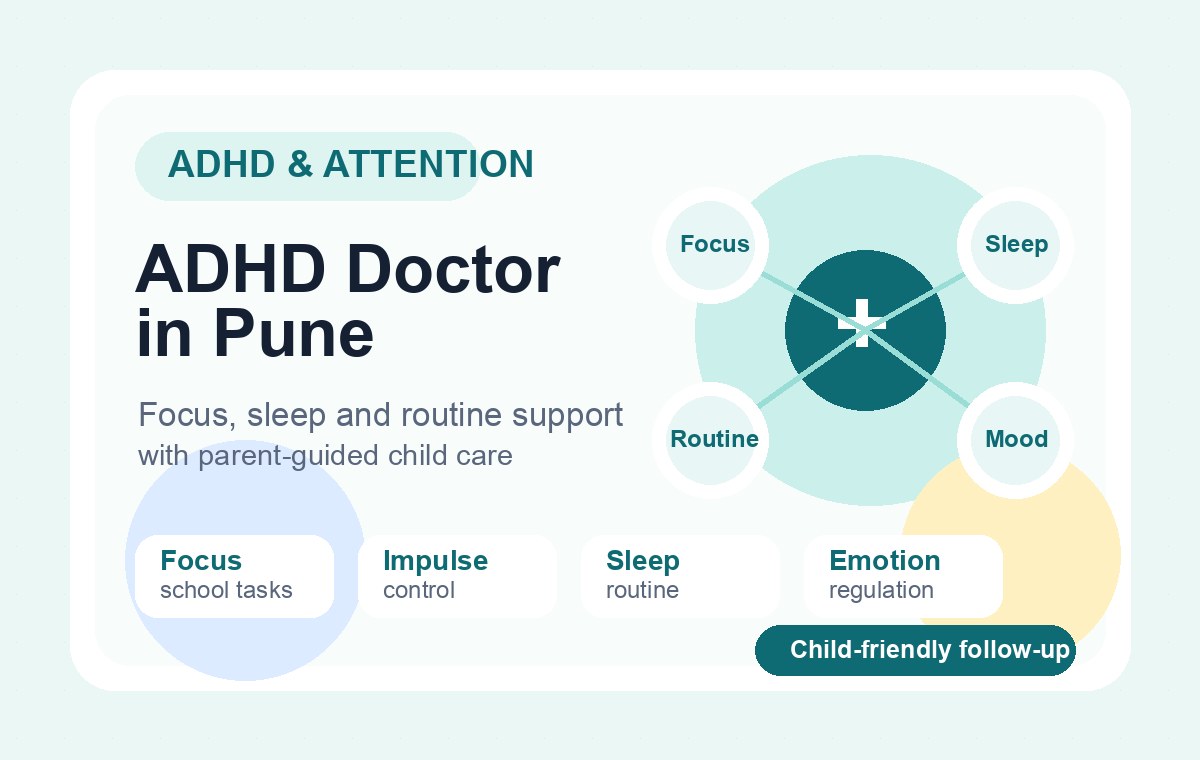
ADHD care starts with attention, routine and emotion review
Dr. Akshata reviews school feedback, homework tolerance, sleep, screen timing, appetite, anger triggers, fears, family routine and any prior assessment before advising supportive care.
Common Symptoms of ADHD
- ✓Difficulty sustaining attention in tasks or homework
- ✓Forgetfulness, careless mistakes or losing things
- ✓Restlessness, fidgeting or excessive talking
- ✓Interrupting, rushing or difficulty waiting
- ✓Emotional outbursts, anger or low frustration tolerance
- ✓Late sleep, restless sleep or difficult mornings
- ✓School stress, low confidence or repeated complaints from teachers
What Changes the ADHD Plan
Every child with attention difficulty needs a different review. These details change the support plan.
What Causes ADHD?
ADHD does not happen because a child is lazy or badly behaved. It is linked to neurodevelopmental differences and can be affected by sleep, stress, routine and environment.
- 01 Neurodevelopmental pattern: ADHD affects attention regulation, activity level and impulse control.
- 02 Genetic tendency: Attention and hyperactivity patterns may run in families.
- 03 Sleep problems: Poor sleep can worsen focus, anger, learning and morning routine.
- 04 Screen overstimulation: Screen timing and fast content may affect attention and sleep in some children.
- 05 School mismatch: Long sitting, high homework load or learning difficulty can increase frustration.
- 06 Emotional stress: Fear, criticism, low confidence and family stress can worsen behaviour.
Preparing for a consultation
Bring your reports and a list of current medicines. An examination may be needed before advice can be given.
01 Your symptom history
Note when symptoms began, what changed, and how they affect sleep, work or daily activities.
02 Reports and medicines
Bring existing diagnoses, test results and the names of medicines and supplements you use. Do not stop prescribed treatment to attend a consultation.
03 Examination and referral
Ask whether you need an in-person examination, further tests or a referral. Urgent symptoms need timely medical care, not an online appointment.
Pune Areas We Serve ADHD consultation from nearby areas Open local area links
ADHD consultation from nearby areas
Dr. Akshata consults at her Lohegaon clinic, accessible from Dhanori, Kharadi, Wagholi, Viman Nagar, Vishrantwadi and Yerwada. Online consultation is also available across India.
ADHD Support Care Map at Dr. Akshata’s Clinic
The plan supports child routine, parent tracking and referral-aware care rather than treating behaviour in isolation.
When to Seek Medical Attention
- Self-harm talk, severe aggression or unsafe behaviour
- Seizures, fainting spells or sudden neurological symptoms
- Major learning difficulty needing formal assessment
- Severe anxiety, depression or mood swings
- Sudden behaviour change after medicine or illness
- School refusal, bullying or trauma concerns
Keep prescribed medicines, urgent care and specialist follow-up unchanged unless the treating clinician advises otherwise.
Medical care and Dr. Akshata's consultation for ADHD
For ADHD, medical care confirms the diagnosis and manages urgent problems. Dr. Akshata records the history, current care and agreed follow-up measures.
| Situation | Conventional / specialist care | Homeopathy at Dr. Akshata's clinic | Decision point |
|---|---|---|---|
| Diagnosis or fast-worsening symptoms | Confirms the diagnosis and assesses urgent signs such as Self-harm talk, severe aggression or unsafe behaviour. | Case-taking begins after safety screening and includes current treatment and reports. | Do not delay urgent or specialist assessment. |
| Recurring ADHD pattern | Uses medicines, procedures or tests according to the diagnosis. | Records Difficulty sustaining attention in tasks or homework, ADHD affects attention regulation, activity level and impulse control, sleep, stress and daily function. | Keep prescribed care unchanged and agree on follow-up markers first. |
| Follow-up over 3-6 months | Rechecks reports and clinical findings at the intervals advised. | Compares the frequency, intensity and daily impact of Difficulty sustaining attention in tasks or homework. | Base the next step on recorded change rather than a single good or bad day. |
How Supportive Care May Help ADHD
Supportive care is selected after understanding the child’s attention pattern, sleep, temperament, fears, digestion, routine and family context. Specialist care is advised whenever needed.
Focus Pattern
Task initiation, mistakes, forgetfulness and attention span are reviewed.
Sleep Rhythm
Late sleep and tired mornings are addressed because they worsen attention.
Emotional Regulation
Anger, sensitivity, anxiety and confidence are tracked.
Parent Support
Follow-ups use practical goals parents can observe at home.
What to Expect During Treatment
The first consultation includes school feedback, attention pattern, hyperactivity, impulse control, sleep, screen time, appetite, digestion, fears, anger, milestones, current therapies and safety concerns.
Follow-ups track homework tolerance, sitting time, sleep timing, anger episodes, morning routine, teacher feedback and whether a specialist assessment is needed.
Medicine safety
A website cannot select a medicine, potency or dose for you. Tell your treating clinician about every product you use. Homeopathic products are not a substitute for indicated medical treatment, vaccination or emergency care.
Book a child-focused ADHD consultation
Book a child-focused ADHD consultation with Dr. Akshata Bhangire in Lohegaon, Pune or online. Bring school feedback, assessment reports if any, sleep routine, screen timing and parent observations.
Diet & Lifestyle Guidance for ADHD
Daily structure can strongly affect attention, sleep and emotional regulation. Guidance is adjusted to the child’s current school and home routine.
✓ Helpful Habits
- Keep sleep and wake timing predictable
- Use short homework blocks with breaks
- Share teacher feedback during follow-ups
- Reduce late-night screens and fast content
- Track anger, sleep and homework tolerance
✗ Habits to Reduce
- Punish the child without understanding attention difficulty
- Stop prescribed ADHD medicines without specialist advice
- Delay learning assessment when school difficulty is severe
- Ignore bullying, trauma or mood symptoms
- Use supplements or restrictive diets without guidance
Trusted Sources Used for This Guide
This page uses reputable medical references for symptoms, diagnosis, safety notes, and patient education.
Common Patient Questions ADHD Patient Questions About Care Open quick consultation answers
ADHD Patient Questions About Care
These answers cover assessment reports, school feedback, current treatment, online review and practical attention-related concerns.
What happens in the first ADHD consultation?
Dr. Akshata reviews school feedback, attention, restlessness, impulsivity, sleep, anger, screen routine and parent observations.
Which school details help assess attention concerns?
Teacher feedback, homework duration, sitting tolerance, careless errors, forgotten instructions and learning concerns help define the pattern.
Can ADHD be treated?
The ADHD consultation records the diagnosis, reports, current medicines, symptom timeline, daily-life impact and goals for follow-up.
Does my child need ADHD medicine?
That decision should be made with a qualified specialist after proper assessment. Dr. Akshata does not ask parents to stop prescribed medicines without the treating doctor’s advice.
Which nearby areas can visit the Lohegaon clinic?
The clinic serves families from Viman Nagar, Kharadi, Dhanori, Wagholi, Vishrantwadi, Yerwada and nearby Pune areas. Online follow-ups are also available.