

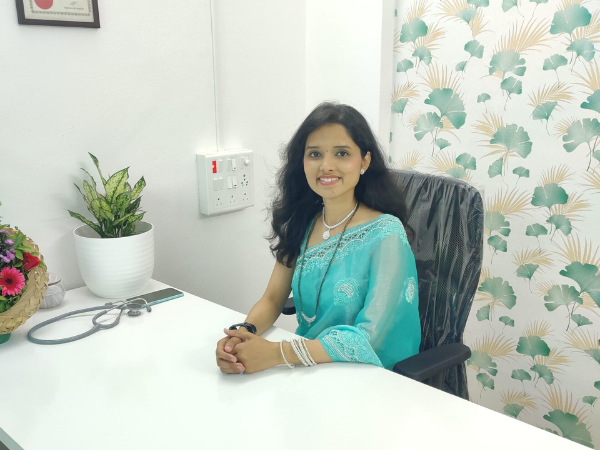

Autism is a neurodevelopmental condition. Dr. Akshata reviews the concerns the family wants to track, such as sleep, constipation, food selectivity or routine tolerance, while coordinating with the child’s developmental and medical team.
Is this autism consultation right for my child?
This page is for parents who want a careful consultation for sleep, digestion, sensory sensitivity, irritability, routine difficulty and coordinated developmental care.
- A good fit if
- Your child has ASD-related daily challenges and you want supportive care alongside developmental guidance.
- Dr. Akshata will check
- Milestones, reports, therapies, sleep, stool pattern, food, sensory triggers, infections and safety concerns.
- Bring to consultation
- Developmental reports, speech or OT notes, school feedback, medicine list and parent observations.
Plan your consultation
- Clinic location
- Shop No. 2, Om Shanti Heights, Wagholi Road, Sant Nagar, Lohegaon, Pune 411047.
- Availability and fees
- Ask the clinic for the next available appointment, the consultation fee and any separate medicine or follow-up charges before confirming.
- In person or online
- Tell the clinic whether you want to visit or consult online. Ask whether your concern requires an in-person examination before choosing a slot.
What Parents Usually Want Help With
Parents often seek guidance after noticing delayed speech, poor eye contact, limited response to name, repetitive behaviour, sensory discomfort, sleep problems, food selectivity, tantrums or difficulty adjusting to routine changes.
The first step is always clarity. A child may need developmental assessment, hearing evaluation, speech-language assessment, occupational therapy review, behavioural guidance or paediatric advice. Dr. Akshata’s role is to understand the child’s complete pattern and support associated concerns where homeopathy is suitable.
The page is written for parents who want a doctor-led, respectful and practical consultation. The focus is not on labelling the child, but on understanding what makes daily life difficult and what can improve comfort, sleep, digestion, routine tolerance and family confidence.
Autism Support Pattern Map
A useful consultation studies the child’s communication, sensory world, sleep, food, behaviour and medical history together.
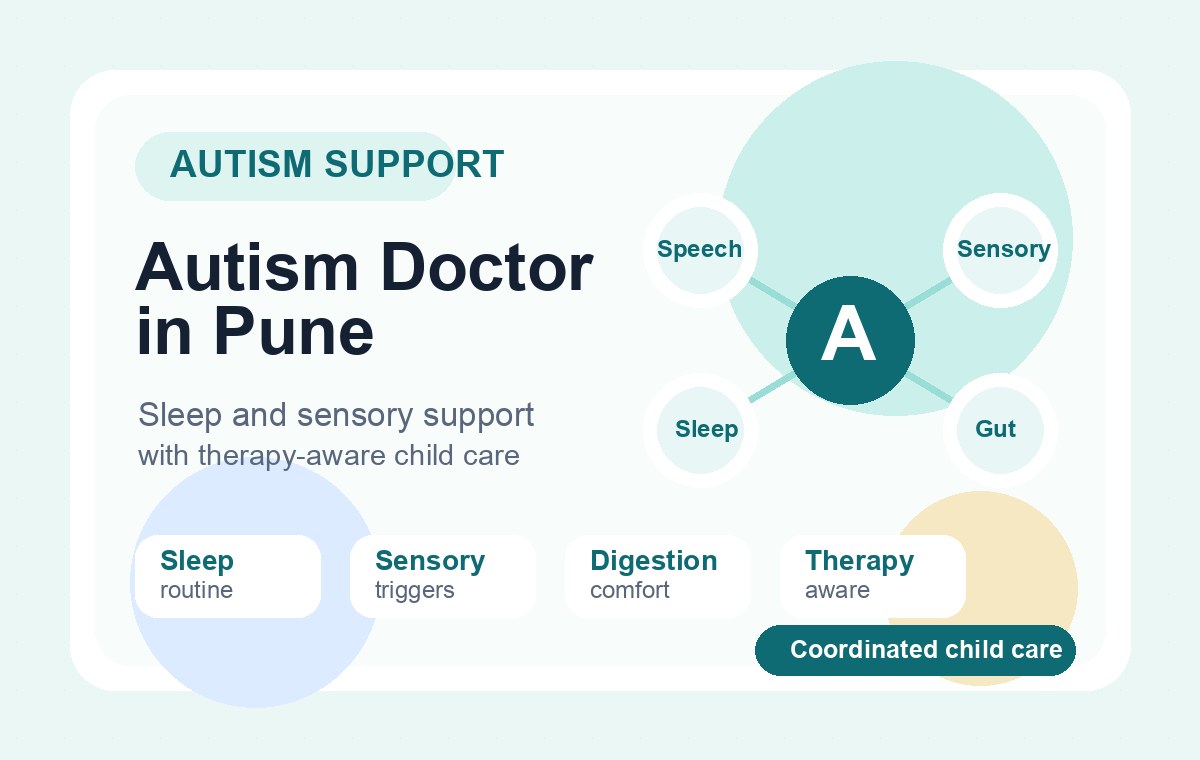
Autism care starts with listening to the child and parents
Dr. Akshata reviews the child’s developmental history, reports, therapy plan, sleep, digestion, sensory triggers, emotional pattern, infection history and family routine before advising supportive care.
Common Symptoms of Autism
- ✓Delayed speech, limited words or difficulty using language socially
- ✓Poor response to name, reduced eye contact or limited joint attention
- ✓Repetitive play, fixed routines, lining up toys or hand movements
- ✓Sound, touch, texture, food or clothing sensitivity
- ✓Frequent meltdowns, irritability, anxiety or difficulty with change
- ✓Sleep disturbance, late sleeping, night waking or restlessness
- ✓Constipation, selective eating, bloating or recurrent stomach discomfort
- ✓Attention difficulty, hyperactivity or difficulty sitting for tasks
What Changes the Consultation Plan
Two children with the same ASD diagnosis can need very different support. These details guide the consultation.
What Causes Autism?
Autism does not have one simple cause. It is linked to differences in brain development, and each child’s needs should be understood individually.
- 01 Neurodevelopmental differences: Autism is related to brain development and can affect communication, behaviour, sensory processing and learning.
- 02 Genetic and family factors: Family history and genetic factors can play a role in some children.
- 03 Pregnancy and birth factors: Some risk factors discussed in medical literature include prematurity, low birth weight and birth complications, but these do not explain every case.
- 04 Associated conditions: Some children may also have ADHD, anxiety, sleep disorders, epilepsy, feeding issues, constipation, allergies or learning difficulty.
- 05 Sensory processing differences: Sound, light, touch, food textures or crowded places may feel overwhelming and can trigger distress.
- 06 Routine and communication stress: When a child cannot express discomfort, pain, hunger, fatigue or sensory overload, behaviour may become the main language.
Preparing for a consultation
Bring your reports and a list of current medicines. An examination may be needed before advice can be given.
01 Your symptom history
Note when symptoms began, what changed, and how they affect sleep, work or daily activities.
02 Reports and medicines
Bring existing diagnoses, test results and the names of medicines and supplements you use. Do not stop prescribed treatment to attend a consultation.
03 Examination and referral
Ask whether you need an in-person examination, further tests or a referral. Urgent symptoms need timely medical care, not an online appointment.
How associated concerns are recorded
The child’s developmental team remains central. Follow-up records a few observable daily-life measures without claiming autism reversal or cure.
Sleep
Sleep onset, night waking and total sleep pattern
Digestion and feeding
Bowel frequency, pain, food range and hydration
Daily regulation
One defined transition or sensory situation selected with parents
Therapy participation
Parent or therapist observations without replacing formal assessment
Safety
Regression, seizures, self-injury, weight loss or unsafe behaviour
Pune Areas We Serve Autism consultation from nearby areas Open local area links
Autism consultation from nearby areas
Dr. Akshata consults at her Lohegaon clinic, accessible from Dhanori, Kharadi, Wagholi, Viman Nagar, Vishrantwadi and Yerwada. Online consultation is also available across India.
Autism Support Care Map at Dr. Akshata’s Clinic
The goal is coordinated support, not isolated medicine. The child’s current therapies and medical needs are kept in view.
When to Seek Medical Attention
- Loss of previously learned speech, social or motor skills
- Seizures, fainting spells or repeated staring episodes
- Self-injury, severe aggression or unsafe behaviour
- No response to sound or suspected hearing difficulty
- Severe feeding restriction, weight loss or dehydration
- Major sleep deprivation affecting child or family safety
- Developmental delay needing formal paediatric or developmental assessment
Keep prescribed medicines, urgent care and specialist follow-up unchanged unless the treating clinician advises otherwise.
Who should be involved in an autism care plan?
The right team depends on the child’s developmental assessment, communication, sensory needs, feeding, sleep and safety concerns.
| Situation | Conventional / specialist care | Homeopathy at Dr. Akshata's clinic | Decision point |
|---|---|---|---|
| Diagnosis or developmental concerns | A developmental paediatrician or qualified assessment team evaluates development, hearing and related conditions. | Dr. Akshata reviews the reports and associated daily concerns after the assessment pathway is clear. | Do not delay formal developmental assessment. |
| Speech, sensory or daily-living needs | Speech therapy, occupational therapy, behavioural support and school planning address functional goals. | Parent observations are recorded using the same practical goals while therapies continue. | Keep the therapy team central. |
| Sleep, constipation or food selectivity | Paediatric review checks medical, nutritional and feeding concerns when indicated. | The consultation maps timing, triggers, routine and measurable daily impact. | Use one shared record across the care team. |
| Regression, seizures, self-injury or weight loss | Prompt paediatric, neurological or emergency assessment is required. | A routine supportive consultation is not the first step. | Seek specialist care without delay. |
How Dr. Akshata Structures the Child Consultation Autism
Dr. Akshata structures the child consultation around developmental reports, current therapies, sleep, bowel pattern, food concerns, sensory triggers, behaviour in specific situations and family priorities. Follow-up uses one or two observable goals chosen with the parent.
Sleep Rhythm
Late sleep, night waking and restlessness are reviewed carefully.
Gut Comfort
Constipation, appetite, food texture and bloating patterns are tracked.
Regulation Support
Irritability, anxiety, sensory overload and transitions are studied.
General Health
Recurrent respiratory or allergy symptoms are recorded and referred when needed.
What to Expect During Treatment
The first consultation includes parent concerns, developmental history, reports, current therapies, sleep, digestion, food, sensory triggers, school behaviour, medical history and safety concerns.
Follow-ups usually track sleep timing, bowel comfort, meltdown frequency, tolerance to transitions, food acceptance, infections, therapy participation and parent stress. Specialist referrals are advised whenever needed.
Book a child-focused autism consultation
Book a child-focused consultation with Dr. Akshata Bhangire in Lohegaon, Pune or online. Bring developmental reports, therapy notes, sleep details, stool pattern, food concerns and parent observations.
Diet & Lifestyle Guidance for Autism
Daily routine can strongly affect sleep, digestion and regulation. Guidance is personalized to the child’s needs and current therapies.
✓ Helpful Habits
- Continue speech therapy, OT, behavioural therapy or paediatric guidance already advised
- Track sleep timing, stool pattern, food response and meltdown triggers
- Use predictable routines and prepare the child before transitions
- Share developmental reports, hearing tests and school feedback
- Keep follow-ups practical with one or two measurable goals at a time
✗ Habits to Reduce
- Delay developmental assessment when milestones are clearly delayed
- Stop therapies or prescribed medicines without specialist advice
- Use punishment for sensory overload or communication frustration
- Try many supplements or restrictive diets without professional guidance
- Ignore seizures, regression, self-injury or severe feeding issues
Trusted Sources Used for This Guide
This page uses reputable medical references for symptoms, diagnosis, safety notes, and patient education.
Common Patient Questions Autism Patient Questions About Care Open quick consultation answers
Autism Patient Questions About Care
These answers cover practical parent questions about developmental reports, therapies, daily concerns, online consultation and the Lohegaon clinic.
What happens in the first autism consultation?
Dr. Akshata reviews reports, milestones, current therapies, sleep, digestion, food selectivity, sensory triggers and the family’s most important daily concern.
Can care be coordinated with speech therapy or OT?
Yes. Parents continue the child’s developmental plan and can share therapist notes so the same practical goals are followed consistently.
Is online parent consultation available?
Yes. Parents can use an online consultation to review reports, routines and observations when travelling to the clinic is difficult.
What should parents bring for autism consultation?
Bring developmental reports, speech or OT notes, school feedback, medicine list, sleep and food observations, constipation or infection history, and the main daily difficulty you want to improve first.