

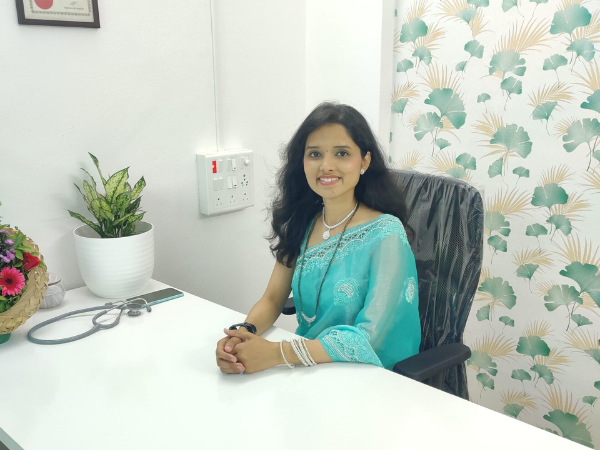

Diabetes care needs more than one sugar reading. A consultation with Dr. Akshata organises the diagnosis, HbA1c trend, home glucose log, current medicines or insulin, meal pattern, activity, sleep, stress and symptoms into measurable follow-up goals while medical diabetes care continues.
Is this diabetes consultation right for me?
This page is for people who want a structured consultation without losing sight of glucose control, prescribed treatment and complication prevention.
What is Diabetes?
Diabetes mellitus is a group of conditions in which blood glucose stays above a healthy range. In type 1 diabetes, the body makes little or no insulin. In type 2 diabetes, insulin resistance and gradually reduced insulin production both contribute. Diabetes can also develop during pregnancy.
Type 2 diabetes can remain silent for years. When symptoms occur, they may include increased thirst, frequent urination, fatigue, blurred vision, slow wound healing, repeated infections, numbness or unexplained weight change.
Diagnosis and follow-up use blood tests such as fasting glucose, post-meal glucose and HbA1c. Ongoing care also includes blood pressure, cholesterol, kidney, eye and foot checks because diabetes can affect several organs over time.
The Diabetes Control Picture
One reading is only a snapshot. These six parts help show whether the overall plan is working safely.

The glucometer reading needs context
Dr. Akshata compares the reading with meal timing, medicine or insulin timing, activity, sleep, stress, symptoms and the longer HbA1c trend. This helps distinguish an isolated fluctuation from a repeated pattern that needs medical review.
Common Symptoms of Diabetes
- ✓Increased thirst or a persistently dry mouth
- ✓Frequent urination, including waking at night
- ✓Unusual fatigue, sleepiness or reduced stamina
- ✓Blurred vision or changing spectacle power
- ✓Slow-healing cuts, wounds or recurrent boils
- ✓Repeated urinary, skin or fungal infections
- ✓Tingling, numbness, burning or altered sensation in the feet
- ✓Unexplained weight loss, increased hunger or cravings
Reports and Details to Bring
A complete record prevents the consultation from being based on a single glucose value.
What Causes Diabetes?
Diabetes develops through different biological pathways. Identifying the type and risk pattern is essential because treatment and urgency differ.
- 01 Type 1 autoimmune process: The immune system damages insulin-producing cells, causing severe insulin deficiency.
- 02 Insulin resistance: In type 2 diabetes, muscle, fat and liver cells respond less effectively to insulin.
- 03 Reduced insulin production: Over time, the pancreas may be unable to produce enough insulin for the body’s needs.
- 04 Family history and age: Genetic tendency and increasing age can raise type 2 diabetes risk.
- 05 Weight and activity pattern: Excess body fat, low activity and long sitting time can increase insulin resistance.
- 06 Pregnancy and hormonal history: Gestational diabetes and conditions such as PCOS can signal higher future type 2 diabetes risk.
Dr. Akshata's Clinical Perspective
Tap each clinical note to see how I think through this case in consultation.
01 The pattern I commonly see
In my clinic, I often meet patients who are worried by one high fasting value but have not looked at the full pattern. Some check glucose only when they feel tired or thirsty, while others have several readings without noting meals, medicine timing or activity. I also see people who focus on sugar alone even though poor sleep, repeated fungal infections, numb feet, weight change or a non-healing wound may be the reason they need a broader review. I first clarify whether the diagnosis is prediabetes, type 1, type 2 or diabetes in pregnancy, because the monitoring and medical decisions are not interchangeable.
02 What I look for during case-taking
I review the HbA1c trend, fasting and post-meal values, glucose meter or CGM records, every tablet or insulin dose, missed doses and any low-glucose symptoms. I ask about meal timing, portions, protein and fibre, work shifts, exercise, sleep, stress, weight, thirst, urination, vision, skin or urinary infections and sensation in the feet. I also check blood pressure, lipid, kidney, eye and foot-screening records. If the patient brings only one report, I help create a clearer record for the next review instead of drawing a conclusion from an isolated number.
03 Common mistakes and referral decisions
The most common mistake I see is reducing tablets or insulin after a few better readings, or replacing prescribed treatment with a supplement or home remedy. I ask patients not to change diabetes medicines without the prescribing doctor. I arrange or recommend physician or diabetologist review when glucose remains high, low-glucose episodes recur, the diagnosis or type is uncertain, pregnancy is involved, or kidney, eye, nerve, heart, wound or infection concerns appear. Confusion, fainting, severe vomiting, deep breathing or ketone symptoms need urgent care. Every case is different. I recommend a proper consultation before starting any treatment.
How diabetes progress is recorded
Follow-up compares repeatable measures rather than relying on how the patient felt on one particular day.
HbA1c Trend
Scheduled laboratory values compared over time
Glucose Pattern
Fasting, post-meal and symptom-linked readings
Low Glucose
Shaking, sweating, confusion and confirmed low readings
Meals + Activity
Timing, consistency, movement and long sitting periods
Weight + BP
Weight or waist trend and blood-pressure records
Risk Checks
Kidney, eye, foot, lipid, wound and infection follow-up
Pune Areas We Serve Diabetes consultation from nearby areas Open local area links
Diabetes consultation from nearby areas
Dr. Akshata consults at her Lohegaon clinic, accessible from Dhanori, Kharadi, Wagholi, Viman Nagar, Vishrantwadi and Yerwada. Online consultation is also available across India.
Diabetes Care Map at Dr. Akshata's Homeopathy
The Diabetes plan starts with diagnosis and safety checks. Follow-up then compares Increased thirst or a persistently dry mouth and Frequent urination, including waking at night at agreed intervals.
When to Seek Medical Attention
- Confusion, fainting, seizure or a confirmed very low glucose reading
- Vomiting, abdominal pain, fruity breath, deep breathing or positive ketones
- Chest pain, stroke symptoms, severe breathlessness or sudden weakness
- A red, hot, swollen or infected wound, especially on the foot
- Persistent very high readings with dehydration, drowsiness or worsening symptoms
- High glucose during pregnancy or any concern about reduced fetal movement
Keep prescribed medicines, urgent care and specialist follow-up unchanged unless the treating clinician advises otherwise.
Medical diabetes care and Dr. Akshata’s consultation
Each part of care has a clear job. Diagnosis, glucose-lowering treatment and complication screening remain medical priorities while the consultation organises symptoms, routine and measurable follow-up.
| Situation | Conventional / specialist care | Homeopathy at Dr. Akshata's clinic | Decision point |
|---|---|---|---|
| New high glucose or unclear type | Diagnosis, diabetes type, baseline tests and treatment plan | Detailed symptom, meal, sleep, stress and routine history after medical assessment | Confirm the diagnosis first |
| Type 1 diabetes | Insulin, glucose monitoring, education and specialist follow-up | Document symptoms, routine and wellbeing without altering insulin | Insulin is essential |
| Type 2 diabetes | Medicines, nutrition, activity and risk-factor management | Track the individual symptom and routine pattern alongside that plan | Continue prescribed care |
| Kidney, eye, nerve or foot concern | Targeted tests and physician or specialist treatment | Record symptoms and ensure referral is not delayed | Use specialist care early |
| Severe high or low glucose symptoms | Urgent or emergency assessment | No delay for a routine appointment | Seek urgent care |
How Dr. Akshata Structures the Consultation for Diabetes
Dr. Akshata builds the consultation around the confirmed diabetes type, HbA1c and glucose pattern, current medicines or insulin, meals, activity, sleep, stress, symptoms and complication-screening schedule.
Reports + Treatment Map
HbA1c, glucose records, prescriptions and screening reports are organised.
Daily Pattern Review
Meals, activity, sleep, stress, symptoms and work routine are mapped.
Measured Follow-up
The same glucose, symptom, routine and risk measures are compared.
What to Expect During Treatment
The first consultation reviews the diabetes type, HbA1c, glucose records, all medicines or insulin, low-glucose history, meals, activity, sleep, stress, weight, symptoms and complication screening.
Follow-ups compare agreed measures and record every medical treatment change. The plan is revised if glucose remains high, low-glucose episodes recur, symptoms worsen or screening is overdue.
Common Homeopathic Remedies for Diabetes
Remedy selection follows the complete case history, current medicines and individual symptom pattern. Do not self-prescribe.
Please do not self-prescribe. Remedy selection requires detailed individual case analysis by a qualified homeopath.
Book a diabetes consultation
Bring your HbA1c, glucose log, current prescriptions, kidney and lipid reports, BP record and a short meal-and-symptom diary.
What Patients Say About Dr. Akshata
Google reviews from patients who visited for homeopathy care at Dr. Akshata's Homeopathy.
Diet & Lifestyle Guidance for Diabetes
Daily guidance is adapted to the patient’s medical plan, medicines, glucose pattern, culture, work schedule and food access. The aim is a sustainable routine, not a restrictive “diabetes cure” diet.
✓ Helpful Habits
- Take prescribed tablets or insulin at the advised time
- Use a consistent meal pattern with adequate protein and fibre
- Record glucose with meal, medicine and activity context
- Follow the activity plan agreed with the treating doctor
- Complete scheduled HbA1c, kidney, eye and foot checks
✗ Habits to Reduce
- Stop or reduce diabetes medicine after a few better readings
- Skip meals when using medicines that can cause low glucose
- Use sugary drinks routinely for thirst
- Walk barefoot or ignore a blister, cut or colour change on the foot
- Delay care for vomiting, ketones, confusion, chest pain or an infected wound
"In diabetes, I do not interpret a number without its context. HbA1c, meal and medicine timing, low-glucose symptoms, sleep, activity and complication screening together show what needs attention."
Trusted Sources Used for This Guide
This page uses reputable medical references for symptoms, diagnosis, safety notes, and patient education.
Common Patient Questions Diabetes Patient Questions About Care Open quick consultation answers
Diabetes Patient Questions About Care
Short answers to practical questions about diabetes reports, glucose patterns, current medicines, online review and clinic appointments.
Why can fasting glucose and HbA1c tell different stories?
Fasting glucose is one point in time, while HbA1c reflects the average pattern over roughly two to three months. Meals, medicines, illness and glucose variability can affect the comparison.
Can repeated fungal infections be related to diabetes?
Repeated skin, urinary or genital fungal infections can occur when glucose is high. They deserve medical evaluation rather than repeated self-treatment alone.
Can poor sleep and stress affect glucose readings?
Yes. Sleep loss, stress hormones, meal timing and activity can influence glucose, but persistent high readings still need medical review and should not be attributed to stress alone.
Can I consult online for diabetes?
Yes. Share HbA1c and other reports, glucose records, current prescriptions and a meal-and-symptom diary. Urgent symptoms or foot wounds require in-person medical assessment.
Where is the diabetes consultation clinic in Pune?
Dr. Akshata consults at the Lohegaon clinic, accessible from Dhanori, Viman Nagar, Kharadi, Wagholi, Vishrantwadi and Yerwada, with online appointments also available.