Is this PCOS / PMOS consultation right for me?
This page is for patients who want a clear consultation plan for irregular periods, acne, unwanted hair growth, weight gain, cravings or report-based hormonal concerns.
- A good fit if
- Your cycles are delayed, acne keeps returning, weight is difficult to manage, facial hair is increasing, or symptoms return after stopping hormonal tablets.
- Dr. Akshata will check
- Cycle diary, ultrasound, thyroid, sugar markers, acne pattern, hair growth, food timing, cravings, sleep, stress and current medicines.
- Bring to consultation
- Ultrasound report, blood tests, period dates, photos of acne or hair growth if relevant, current prescriptions and a short diet routine note.
Plan your consultation
- Clinic location
- Shop No. 2, Om Shanti Heights, Wagholi Road, Sant Nagar, Lohegaon, Pune 411047.
- Availability and fees
- Ask the clinic for the next available appointment, the consultation fee and any separate medicine or follow-up charges before confirming.
- In person or online
- Tell the clinic whether you want to visit or consult online. Ask whether your concern requires an in-person examination before choosing a slot.
What is PCOS, and Why is it Now Called PMOS?
PCOS has long stood for Polycystic Ovary Syndrome, but international experts have now introduced a more accurate name: PMOS, or Polyendocrine Metabolic Ovarian Syndrome. The change matters because many patients do not actually have true ovarian cysts. The ultrasound finding often represents many small arrested follicles, not dangerous cysts.
The older name also made the condition sound like only an ovarian or fertility problem. In reality, PCOS or PMOS can involve multiple hormone systems, insulin resistance, weight changes, acne, hair growth, hair fall, irregular periods, fertility stress, sleep disturbance and anxiety. The new name better reflects this whole-body picture.
For clarity, this page uses both names: PCOS, the term most people still know, and PMOS, the updated name now being adopted. The diagnosis and care still require proper medical assessment; the name change does not mean patients should ignore existing reports or stop current treatment.
PCOS / PMOS Whole-Body Pattern
PCOS may affect cycles, ovulation, skin, hair, weight, glucose regulation, sleep and emotional wellbeing. Dr. Akshata reviews which parts of that pattern are present in each patient.

PCOS / PMOS is reviewed as a whole-body pattern
Dr. Akshata studies the cycle timeline, acne, hair growth, weight pattern, cravings, sleep, ultrasound reports, blood markers and current medicines before discussing a complementary consultation plan.
Common Symptoms of PCOS / PMOS
- ✓Irregular, delayed, skipped or unpredictable periods
- ✓Acne, oily skin, pigmentation or recurring breakouts
- ✓Hair growth on face, chin, chest or abdomen
- ✓Hair thinning or increased hair fall
- ✓Weight gain, sugar cravings or difficulty losing weight
- ✓Mood changes, anxiety, fatigue or poor sleep
- ✓Ultrasound showing polycystic ovarian morphology or many follicles
PCOS / PMOS Signs Dr. Akshata Maps
The case is clearer when menstrual, skin, hair, metabolic and emotional clues are studied together.
What Causes PCOS / PMOS?
PCOS / PMOS is not caused by one single factor. It usually develops from overlapping hormonal, metabolic, genetic, lifestyle and stress patterns.
- 01 Insulin resistance: The body may need more insulin to manage blood sugar, which can increase androgen activity and disturb ovulation.
- 02 Androgen excess: Higher androgen activity may contribute to acne, facial hair growth, oily skin, scalp hair thinning and irregular cycles.
- 03 Ovulation irregularity: Eggs may not mature and release regularly, causing delayed periods and follicle changes on ultrasound.
- 04 Genetic tendency: PCOS / PMOS often runs in families, especially where diabetes, thyroid problems, obesity or hormonal concerns are common.
- 05 Stress and sleep disruption: Chronic stress and poor sleep can worsen insulin resistance, cravings, mood and hormonal rhythm.
- 06 Diet and routine patterns: Irregular meals, high sugar intake, low movement and late nights can amplify symptoms in susceptible patients.
Preparing for a consultation
Bring your reports and a list of current medicines. An examination may be needed before advice can be given.
01 Your symptom history
Note when symptoms began, what changed, and how they affect sleep, work or daily activities.
02 Reports and medicines
Bring existing diagnoses, test results and the names of medicines and supplements you use. Do not stop prescribed treatment to attend a consultation.
03 Examination and referral
Ask whether you need an in-person examination, further tests or a referral. Urgent symptoms need timely medical care, not an online appointment.
How PCOS or PMOS progress is recorded
The clinic records agreed measures at baseline and compares them at follow-up. This documents change without promising a result or attributing it to one treatment alone.
Cycle record
Cycle length, missed periods, flow, pain and pregnancy possibility
Skin and hair
Acne activity, scalp shedding and unwanted hair concerns
Metabolic markers
Glucose, HbA1c, lipids or blood pressure when medically indicated
Daily function
Sleep, energy, cravings, mood and exercise tolerance
Current treatment
Hormonal, diabetes, fertility or thyroid medicines and prescriber changes
Pune Areas We Serve PCOS / PMOS consultation from nearby areas Open local area links
PCOS / PMOS consultation from nearby areas
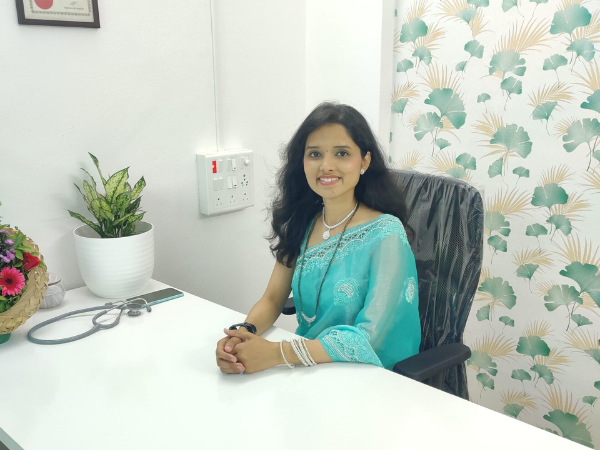
Dr. Akshata consults at her Lohegaon clinic, accessible from Dhanori, Kharadi, Wagholi, Viman Nagar, Vishrantwadi and Yerwada. Online consultation is also available across India.
When to Seek Medical Attention
- Very heavy bleeding, fainting, severe pelvic pain or suspected pregnancy complications
- Rapid onset facial hair growth, voice change or severe androgen symptoms
- Very high blood sugar, uncontrolled thyroid symptoms or severe depression
- Infertility requiring ovulation induction, IVF or specialist reproductive care
Keep prescribed medicines, urgent care and specialist follow-up unchanged unless the treating clinician advises otherwise.
Which PCOS or PMOS care decision fits your goal?
Cycle concerns, metabolic risk and pregnancy plans need different forms of care. Reports and current prescriptions remain part of every consultation.
| Situation | Conventional / specialist care | Homeopathy at Dr. Akshata's clinic | Decision point |
|---|---|---|---|
| Irregular cycles without a confirmed diagnosis | A gynaecologist or endocrinologist checks pregnancy possibility, thyroid, prolactin, androgen signs and metabolic risk. | Dr. Akshata organises the symptom timeline and reviews available reports after urgent causes are considered. | Clarify the diagnosis before judging treatment response. |
| Acne, hair growth or scalp shedding | Clinical assessment checks androgen activity and other skin or hair causes. | Photographs, cycle timing, product use, medicines and symptom change are recorded together. | Track one defined skin or hair measure consistently. |
| Weight, cravings or abnormal sugar markers | Metabolic monitoring and prescribed treatment address diabetes and cardiovascular risk. | The consultation reviews food timing, sleep, cravings, stress and adherence without replacing metabolic care. | Use repeatable measurements rather than weight alone. |
| Pregnancy planning or infertility treatment | A fertility or gynaecology team manages ovulation, investigations and procedures. | Current fertility treatment and reports are documented; prescribed care continues. | Keep the fertility specialist in charge of reproductive treatment. |
How Dr. Akshata Structures the Consultation for PCOS / PMOS
Dr. Akshata structures the consultation around cycle dates, skin and hair signs, weight and cravings, sleep, stress, laboratory reports, current medicines and fertility plans. Follow-up uses the same measures so progress and referral needs remain clear.
Cycle Tracking
Period timing, flow, pain and pregnancy possibility are recorded without promising cycle regulation.
Stress-Hormone Link
Case-taking explores perfectionism, emotional stress, sleep and mood patterns that worsen hormonal symptoms.
Nutrition Review
DDHN guidance supports practical meals and habits; it does not replace diabetes or metabolic treatment.
What to Expect During Treatment
Your first consultation includes menstrual history, skin and hair symptoms, weight timeline, food routine, sleep, stress, reports and current medicines. Dr. Akshata then selects a remedy and lifestyle plan based on your individual pattern.
Follow-ups usually happen every 4-6 weeks. Progress is tracked through cycle length, acne, hair growth, cravings, mood, sleep, weight pattern and any relevant medical reports.
Medicine safety
A website cannot select a medicine, potency or dose for you. Tell your treating clinician about every product you use. Homeopathic products are not a substitute for indicated medical treatment, vaccination or emergency care.
Struggling with irregular periods, acne, weight or hair growth?
Dr. Akshata Bhangire offers PCOS / PMOS consultations in Lohegaon, Pune and online across India, with homeopathy and diet guidance together.
Diet & Lifestyle Guidance for PCOS / PMOS
Because PCOS / PMOS often has a metabolic component, food timing and daily routine matter. Diet is not about punishment; it is about improving insulin rhythm and hormonal stability.
✓ Helpful Habits
- Protein with every meal
- High-fibre vegetables and whole grains
- Regular walking or strength movement
- Earlier dinner and consistent sleep timing
- Cycle and symptom tracking
✗ Habits to Reduce
- Skipping breakfast then overeating later
- Frequent sugary snacks and sweet drinks
- Very late nights and irregular sleep
- Crash dieting or extreme calorie restriction
- Stopping prescribed medicines abruptly
Trusted Sources Used for This Guide
This page uses reputable medical references for symptoms, diagnosis, safety notes, and patient education.
Common Patient Questions PCOS / PMOS Patient Questions About Care Open quick consultation answers
PCOS / PMOS Patient Questions About Care
These answers cover common patient questions about PCOS, PCOD, PMOS, irregular periods, acne, weight and online consultation.
Which reports should I bring for a PCOS consultation?
Bring recent ultrasound, thyroid, glucose, insulin, lipid or hormone reports if available, plus current medicines and a simple cycle record.
What is the new name for PCOS?
PCOS is now being transitioned to PMOS, Polyendocrine Metabolic Ovarian Syndrome, because the condition affects hormones and metabolism beyond the ovaries.
How are irregular periods reviewed in PCOS?
The review covers cycle dates, bleeding pattern, pregnancy possibility, thyroid and sugar reports, current medicines and symptoms such as acne, hair growth or pelvic pain.
Can PCOS acne and hair growth improve?
Acne, hair growth and hair fall are reviewed as androgen-linked signs. Improvement depends on the patient’s hormonal, metabolic and lifestyle pattern.
Online PCOS consultation
Online consultations work well when reports, cycle history, photos of acne or hair growth and current medicines are shared before the appointment.