

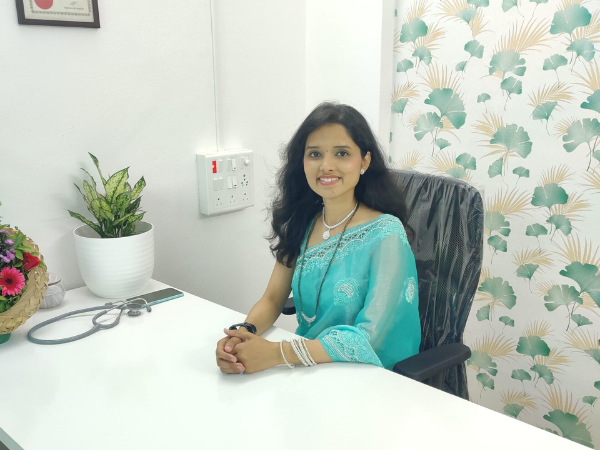

An anxiety consultation should separate persistent worry, panic-like episodes, social fear, trauma-related symptoms, sleep loss, medicine effects and physical conditions that can feel like anxiety. Dr. Akshata records that pattern and agrees on specific measures for follow-up.
What can an anxiety consultation clarify?
The first task is to understand which anxiety pattern is present, how much it interferes with daily life and whether another medical or mental-health assessment is needed.
- Consider booking if
- Worry, panic-like symptoms, poor sleep, avoidance or physical tension keeps returning and you want a structured review alongside current care.
- What Dr. Akshata reviews
- Onset, triggers, feared situations, sleep, caffeine, menstrual or thyroid history, digestion, current medicines, counselling and safety concerns.
- What to bring
- A symptom timeline, all current medicines and supplements, previous reports, therapy notes if available, and a seven-day sleep and episode record.
Plan your consultation
- Clinic location
- Shop No. 2, Om Shanti Heights, Wagholi Road, Sant Nagar, Lohegaon, Pune 411047.
- Availability and fees
- Ask the clinic for the next available appointment, the consultation fee and any separate medicine or follow-up charges before confirming.
- In person or online
- Tell the clinic whether you want to visit or consult online. Ask whether your concern requires an in-person examination before choosing a slot.
What is an anxiety disorder?
Anxiety is part of the body’s response to threat. It becomes a clinical concern when fear or worry is persistent, difficult to control, out of proportion to the situation or disruptive to sleep, work, study, relationships or self-care.
The pattern is not identical for everyone. Generalised anxiety often centres on repeated worry across several areas of life. Panic disorder involves sudden episodes of intense fear with physical symptoms. Social anxiety is tied to scrutiny or social situations. Trauma, obsessive symptoms, depression and substance use need their own assessment.
Palpitations, breathlessness, dizziness, tremor, sweating, nausea and chest discomfort can occur with anxiety, but they can also have medical causes. A first or unusual episode should not be labelled as anxiety without appropriate assessment.
The anxiety pattern Dr. Akshata records
A useful history shows what happens before, during and after an episode instead of treating every anxious feeling as the same problem.

Write down the episode before memory smooths it over
Record the time, trigger, first body sensation, strongest thought, peak intensity, duration, response and what happened afterwards. A short, dated record is often more useful than trying to recall a difficult week during the appointment.
Common Symptoms of Anxiety
- ✓Persistent worry that is difficult to control
- ✓Sudden fear with palpitations, trembling, dizziness or breathlessness
- ✓Restlessness, muscle tension, jaw clenching or headache
- ✓Trouble falling asleep, repeated waking or early-morning anxiety
- ✓Nausea, acidity, loose stools, urinary frequency or dry mouth during stress
- ✓Difficulty concentrating, irritability or feeling mentally exhausted
- ✓Avoiding travel, crowds, meetings, social situations or being alone
- ✓Repeated checking, reassurance seeking or fear of losing control
Details that change the next decision
These details help distinguish a recurring anxiety pattern from a medicine effect, sleep problem, medical condition or situation that needs another clinician.
What Causes Anxiety?
Anxiety rarely has one universal cause. The consultation looks for the combination that fits the timing and pattern while avoiding assumptions about symptoms that need medical assessment.
- 01 Stress and life events: Workload, conflict, loss, caregiving, financial strain, illness or major transitions may start or worsen symptoms.
- 02 Sleep and stimulants: Sleep loss, irregular shifts, caffeine, nicotine and some energy products can increase physical arousal.
- 03 Medical factors: Thyroid problems, anaemia, low glucose, heart-rhythm problems, breathing disorders and hormonal changes may produce or worsen anxiety-like symptoms.
- 04 Medicines and substances: Some steroids, decongestants, stimulants, asthma medicines, recreational substances and withdrawal states can contribute.
- 05 Learned fear and avoidance: Avoiding feared situations may bring short relief while making the fear harder to test and reduce over time.
- 06 Family and personal history: Temperament, earlier experiences and family tendency can affect vulnerability, but they do not determine one fixed outcome.
Preparing for a consultation
Bring your reports and a list of current medicines. An examination may be needed before advice can be given.
01 Your symptom history
Note when symptoms began, what changed, and how they affect sleep, work or daily activities.
02 Reports and medicines
Bring existing diagnoses, test results and the names of medicines and supplements you use. Do not stop prescribed treatment to attend a consultation.
03 Examination and referral
Ask whether you need an in-person examination, further tests or a referral. Urgent symptoms need timely medical care, not an online appointment.
How anxiety change is recorded
The same measures are reviewed each time so a difficult day does not erase progress and a single calm day does not overstate it.
Episodes
Frequency, peak intensity, duration and recovery time
Sleep
Time to sleep, awakenings, total sleep and morning state
Avoidance
Places, tasks or conversations avoided because of fear
Physical Signs
Palpitations, breathlessness, tremor, dizziness and stomach symptoms
Reassurance
Checking, repeated calls, symptom searches and dependence on a safety person
Daily Function
Work, study, travel, relationships and self-care
Pune Areas We Serve Anxiety consultation from nearby areas Open local area links
Anxiety consultation from nearby areas
Dr. Akshata consults at her Lohegaon clinic, accessible from Dhanori, Kharadi, Wagholi, Viman Nagar, Vishrantwadi and Yerwada. Online consultation is also available across India.
Anxiety consultation map at Dr. Akshata's clinic
The plan starts by identifying the anxiety pattern and checking safety. A short episode record then guides case-taking and follow-up.
When to Seek Medical Attention
- Thoughts of suicide, self-harm or harming someone else
- New chest pain, fainting, severe breathlessness or symptoms medically different from previous episodes
- Hallucinations, severe confusion, extreme agitation or inability to care for yourself
- Intoxication, unsafe substance use or possible alcohol or sedative withdrawal
- Several nights with almost no sleep plus unusually high energy, risky behaviour or racing thoughts
- Rapid decline in eating, drinking, work, study, childcare or basic daily function
Keep prescribed medicines, urgent care and specialist follow-up unchanged unless the treating clinician advises otherwise.
How different parts of anxiety care fit together
The right mix depends on severity, diagnosis, safety and patient preference. Homeopathy should not interrupt urgent assessment, counselling or prescribed mental-health care.
| Situation | Conventional / specialist care | Homeopathy at Dr. Akshata's clinic | Decision point |
|---|---|---|---|
| New, severe or unclear symptoms | Medical assessment to exclude physical causes and confirm the mental-health diagnosis | Detailed history after urgent and diagnostic needs are addressed | Confirm safety and diagnosis first |
| Persistent worry or avoidance | Evidence-based psychotherapy, often CBT, with medicine when clinically indicated | Records the individual symptom sequence, sleep, triggers and function alongside that care | Coordinate care and use shared follow-up measures |
| Panic-like episodes | Assessment, psychoeducation, CBT and medicine according to severity and diagnosis | Episode diary and case-taking after medical red flags are checked | Do not assume first-time chest or breathing symptoms are panic |
| Crisis or self-harm risk | Urgent mental-health or emergency care | No routine consultation delay | Seek urgent help now |
How Dr. Akshata Structures the Consultation for Anxiety
Dr. Akshata structures the consultation around the diagnosed anxiety pattern, episode sequence, sleep, physical symptoms, current medicines or counselling, daily function and safety needs.
Sequence Review
The trigger, first sensation, thought, response and recovery are put in order.
Current-Care Review
Medicines, counselling, coping tools, caffeine and relevant medical reports are recorded.
Measured Follow-up
Episodes, sleep, avoidance and daily function are compared using the same definitions.
What to Expect During Treatment
The first appointment reviews the anxiety timeline, feared situations, physical symptoms, sleep, caffeine, medicines, counselling, medical history and effect on daily life. Safety questions are included directly rather than left to assumption.
Follow-up uses the agreed episode and function measures. If symptoms worsen, prescribed care changes or another clinician needs to assess the patient, the plan is adjusted and documented.
Medicine safety
A website cannot select a medicine, potency or dose for you. Tell your treating clinician about every product you use. Homeopathic products are not a substitute for indicated medical treatment, vaccination or emergency care.
Book an anxiety consultation
Bring your medicine list, relevant reports and a seven-day record of episodes, sleep, caffeine and avoided situations.
Diet & Lifestyle Guidance for Anxiety
Food is not a stand-alone anxiety treatment, but meal timing, caffeine, alcohol and sleep can change physical arousal. Guidance is adjusted to current medicines, medical history and routine.
✓ Helpful Habits
- Keep meals regular if long gaps make shaking or palpitations worse
- Record tea, coffee, energy drinks and nicotine with symptom timing
- Use a consistent sleep and wake time where work allows
- Continue counselling exercises and prescribed medicines as advised
- Choose movement that is safe and realistic for your health
✗ Habits to Reduce
- Stop psychiatric medicine suddenly or change the dose yourself
- Use alcohol or sedatives to force sleep
- Assume new chest pain, fainting or severe breathlessness is anxiety
- Increase caffeine to compensate for repeated poor sleep
- Delay urgent help for self-harm thoughts or severe functional decline
Trusted Sources Used for This Guide
This page uses reputable medical references for symptoms, diagnosis, safety notes, and patient education.
Common Patient Questions Anxiety Patient Questions About Care Open quick consultation answers
Anxiety Patient Questions About Care
These answers address panic symptoms, online appointments, sleep records and the information patients often need before booking.
What should I write in an anxiety episode diary?
Note the time, trigger, first body sensation, strongest thought, peak intensity, duration, what you did and how long recovery took.
Can thyroid or caffeine symptoms feel like anxiety?
Yes. Thyroid problems, stimulants and several medical conditions can produce anxiety-like symptoms. The need for examination or testing depends on the history.
Can I consult online for anxiety?
Yes, when the situation is suitable for a scheduled appointment. Share your medicine list, relevant reports and episode record. Crisis symptoms need urgent local care.
What if I am already taking anxiety medicine?
Bring the prescription and continue it as advised. Do not stop or reduce psychiatric medicine without the prescribing clinician.
Where is the anxiety consultation clinic in Pune?
Dr. Akshata consults in Lohegaon, with access from Dhanori, Viman Nagar, Kharadi, Wagholi, Vishrantwadi and Yerwada. Online appointments are also available.